

Introduction
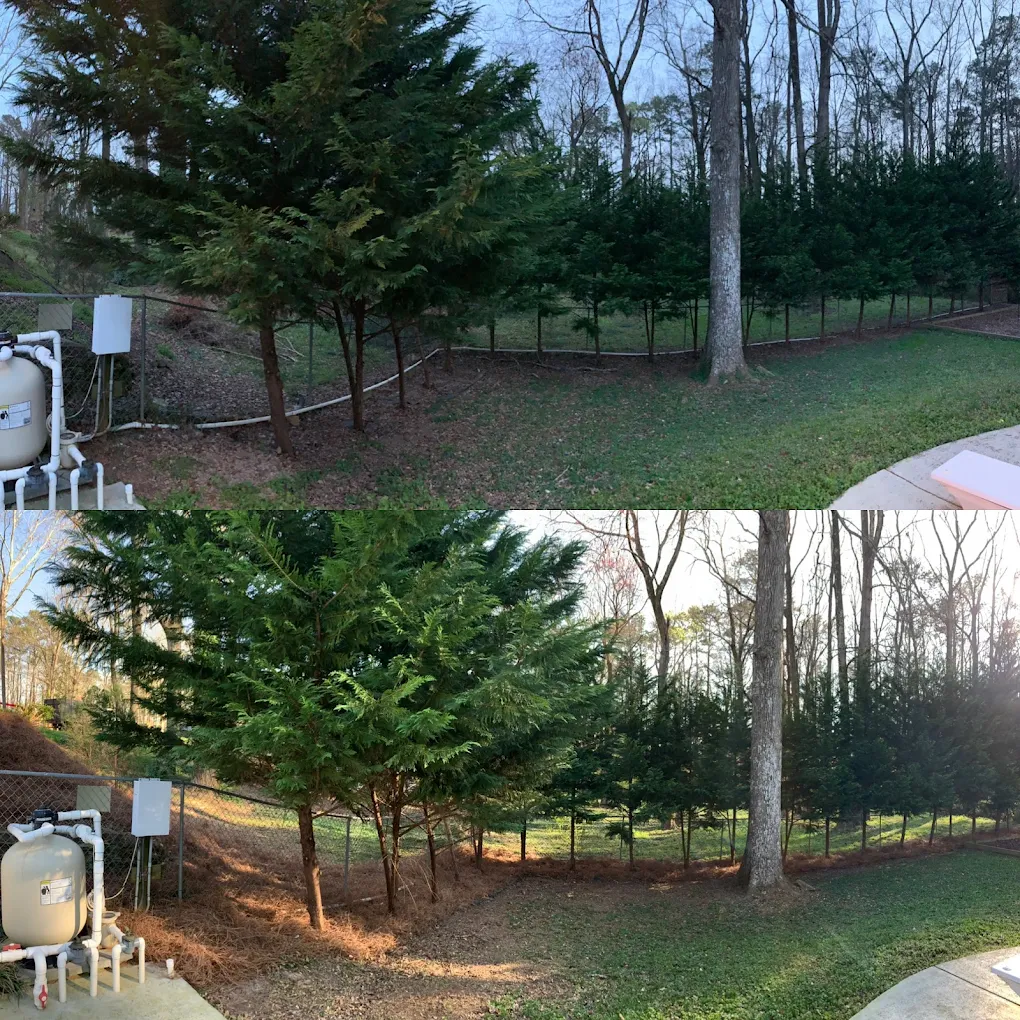
One of the strangest things about dangerous trees is how normal they can look right before something goes wrong.
That part throws homeowners off constantly around Douglasville.
People expect hazardous trees to look obviously dead or collapsing already. They picture giant hollow trunks or completely leafless canopies. But a lot of serious failures happen with trees that still appear green, full, and mostly “fine” from the yard.
Then one storm moves through overnight and suddenly:
- a massive limb crashes onto the roof
- the tree splits near the base
- roots begin lifting from the ground
- the driveway disappears under debris
At Quality Diversified Services, this pattern shows up every summer throughout Douglasville and surrounding Northwest Atlanta communities because storms expose hidden structural problems homeowners could not easily see beforehand.
The dangerous part is the tree may have been declining internally for years while still looking healthy from the outside.
That disconnect catches people by surprise.
Green Leaves Do Not Always Mean A Tree Is Structurally Safe
This becomes one of the biggest misconceptions homeowners have.
A tree can still produce:
- leaves
- shade
- seasonal growth
- green canopy coverage
while serious decay develops inside the trunk or root system underneath.
Trees are surprisingly good at compensating for damage temporarily.
That is why homeowners sometimes say:
“But it looked completely healthy yesterday.”
At Quality Diversified Services, emergency removals regularly involve trees that still had active foliage even though major structural weakness was already developing internally.
The storm simply became the moment the hidden damage finally showed itself physically.
Georgia Summer Storms Push Trees Harder Than People Realize
Especially around Douglasville where sudden weather swings happen fast during summer.
A normal afternoon can shift into:
- heavy rain
- violent wind
- lightning
- saturated ground
- strong gusts
within minutes.
Healthy trees usually tolerate storms fairly well. Trees already carrying hidden stress often cannot.
Especially when problems already exist involving:
- root decay
- internal cracking
- deadwood
- previous storm damage
- weak branch unions
At Quality Diversified Services, severe weather often exposes structural weaknesses homeowners never realized were already building quietly inside the tree.
That pattern happens constantly during Georgia summers.
Root Problems Stay Hidden Underground For Years Sometimes
This part matters enormously.
A lot of dangerous tree problems actually begin underground where homeowners cannot easily see them developing.
Root systems may slowly weaken because of:
- oversaturated soil
- fungal decay
- construction damage
- compacted ground
- long-term instability
Meanwhile the canopy overhead still appears mostly normal.
Then heavy summer rain softens the soil enough that the weakened root system finally shifts or partially uproots during storms.
At Quality Diversified Services, many emergency storm calls involve trees leaning suddenly after rain because the root structure underneath had already lost stability long before the storm arrived.
That hidden instability becomes extremely dangerous near homes.
Large Limbs Often Fail Before The Entire Tree Does
This surprises homeowners afterward.
People often focus entirely on whether the tree itself may fall over. Meanwhile some of the biggest risks come from oversized limbs already carrying too much weight over:
- roofs
- driveways
- patios
- neighboring property
- parked vehicles
A limb may still appear healthy while internal cracking or weakness develops near the attachment point.
Then high wind hits during a summer storm and suddenly thousands of pounds of canopy weight break free unexpectedly.
At Quality Diversified Services, deadwood removal and structural pruning help reduce excessive weight stress before storms create emergency situations later in the season.
That preventative work matters more than homeowners expect.
Previous Storm Damage Weakens Trees Long-Term
This gets overlooked constantly.
A tree might survive one severe storm but still suffer:
- internal fractures
- split unions
- bark separation
- compromised root support
- structural stress points
The tree keeps standing afterward, so homeowners naturally assume:
“Looks like it survived.”
But internally the structure may already be significantly weaker than before.
Then another storm arrives six months later and suddenly the tree fails completely.
At Quality Diversified Services, post-storm assessments help homeowners identify hidden structural damage before future storms make the situation far more dangerous later.
That follow-up evaluation matters.
Especially around mature trees near homes.
Mushrooms Around The Base Usually Mean More Than People Think
This one catches homeowners off guard constantly.
Mushrooms near the trunk often indicate fungal activity affecting:
- roots
- lower trunk sections
- underground structural wood
People sometimes assume mushrooms are harmless because the tree still looks alive overhead.
But fungal decay weakens the tree internally from the inside outward.
That means a tree may still appear healthy while losing structural strength underneath.
At Quality Diversified Services, fungal growth near the base of mature trees becomes especially concerning during storm season because saturated ground and wind place enormous stress on already weakened root systems.
That combination creates serious failure risk fast.
Why Trees Near Homes Require Much More Attention
Especially throughout neighborhoods around:
- Douglasville
- Marietta
- Powder Springs
- Austell
- Woodstock
where mature trees often sit close to:
- roofs
- garages
- fences
- driveways
- neighboring property
A structurally compromised tree near a home creates enormous risk because even partial failure can cause:
- roof damage
- crushed vehicles
- fence destruction
- blocked access
- power line damage
At Quality Diversified Services, robotic tree removal technology allows crews to safely dismantle dangerous trees in tight residential areas while reducing risk to both workers and surrounding structures.
That technology becomes especially important during difficult removals after storms.
A Lot Of Homeowners Notice Small Signs Earlier Than They Think
This happens constantly after removals.
Once the tree is finally down, homeowners often remember:
- bark cracking
- leaning changes
- repeated branch drop
- hollow sounds
- mushrooms near roots
- canopy thinning
- dead upper limbs
The tree was already signaling stress.
The storm simply became the moment everything finally became visible all at once.
At Quality Diversified Services, tree inspections help homeowners identify these smaller warning signs before dangerous failures happen later during severe weather.
That proactive approach often prevents:
- emergency removals
- insurance claims
- roof damage
- cleanup costs
- dangerous overnight failures
all at once.
Improper Pruning Quietly Creates Long-Term Weakness
This becomes a huge issue around older residential properties.
Especially when inexperienced crews:
- top trees aggressively
- remove major limbs incorrectly
- leave improper cuts
- create uneven canopy weight
The tree may survive initially.
Then over time those cuts create:
- decay pockets
- unstable regrowth
- weak branch unions
- increased storm vulnerability
At Quality Diversified Services, pruning follows professional arboriculture standards designed to improve long-term structural integrity instead of weakening the tree over time.
That difference matters enormously during Georgia storm season.
Emergency Tree Situations Feel Overwhelming Fast
This part escalates emotionally quickly for homeowners.
One large limb across the roof suddenly creates questions like:
- Is the house structurally damaged?
- Can another limb still fall?
- Is the tree still shifting?
- Who handles cleanup?
- Will insurance cover this?
That stress builds immediately.
At Quality Diversified Services, 24/7 emergency response helps homeowners throughout Northwest Atlanta restore safety quickly after dangerous storm-related tree failures.
That reassurance matters emotionally too.
Especially when severe weather already has families on edge.
Robotic Tree Removal Changes Safety Completely
This stands out for homeowners once they see it operating.
Traditional removals often require climbers working directly inside compromised trees during dangerous conditions.
That becomes extremely risky when:
- trunks are cracked
- limbs remain suspended
- root systems are unstable
- trees lean over structures
At Quality Diversified Services, robotic tree removal technology allows dangerous trees to be dismantled more safely and efficiently while reducing exposure to hazardous climbing conditions.
That technology matters enormously during high-risk storm work.
Local Experience Matters During Georgia Storm Season
A lot of homeowners simply want:
- fast communication
- honest recommendations
- reliable crews
- insured professionals
- local experience
during stressful storm situations.
At Quality Diversified Services, being locally owned and operated since 1993 matters because Northwest Georgia storm conditions create very specific tree risks that require regional experience and proper equipment.
That experience matters when dangerous trees are sitting near homes after storms.
Frequently Asked Questions
Can a tree still look healthy before it fails?
Absolutely. Many dangerous trees still have green leaves and active growth while internal decay or structural weakness develops underneath.
What warning signs should homeowners watch for?
Common signs include:
- leaning changes
- mushrooms near roots
- dead limbs
- bark cracking
- repeated branch drop
- hollow trunk areas
Why are storms so dangerous for trees?
Storms combine:
- wind
- saturated soil
- heavy canopy movement
- lightning
- shifting pressure
which expose hidden weaknesses already developing inside the tree.
What makes QDS different?
Quality Diversified Services uses robotic tree removal technology along with OSHA and ISA safety standards to safely handle dangerous removals throughout Northwest Atlanta.
What areas do you serve?
QDS serves Douglasville, Marietta, Powder Springs, Austell, Woodstock, Carrollton, Fayetteville, Newnan, and surrounding Northwest Atlanta communities.
Conclusion
A lot of dangerous trees around Douglasville still look completely normal right before they fail during summer storms.
Usually the real problems were already developing quietly:
- root instability
- internal decay
- deadwood
- hidden cracking
- storm stress
Then severe weather finally exposes those weaknesses all at once.
Quality Diversified Services helps homeowners throughout Northwest Atlanta stay protected with robotic tree removal technology, emergency storm response, professional tree assessments, OSHA and ISA safety standards, licensed and insured crews, and more than 30 years of trusted local tree experience.
Concerned About A Large Tree Near Your Home?
Call Quality Diversified Services at (678) 776-9820 for a free estimate or professional tree assessment anywhere across Northwest Atlanta.

